
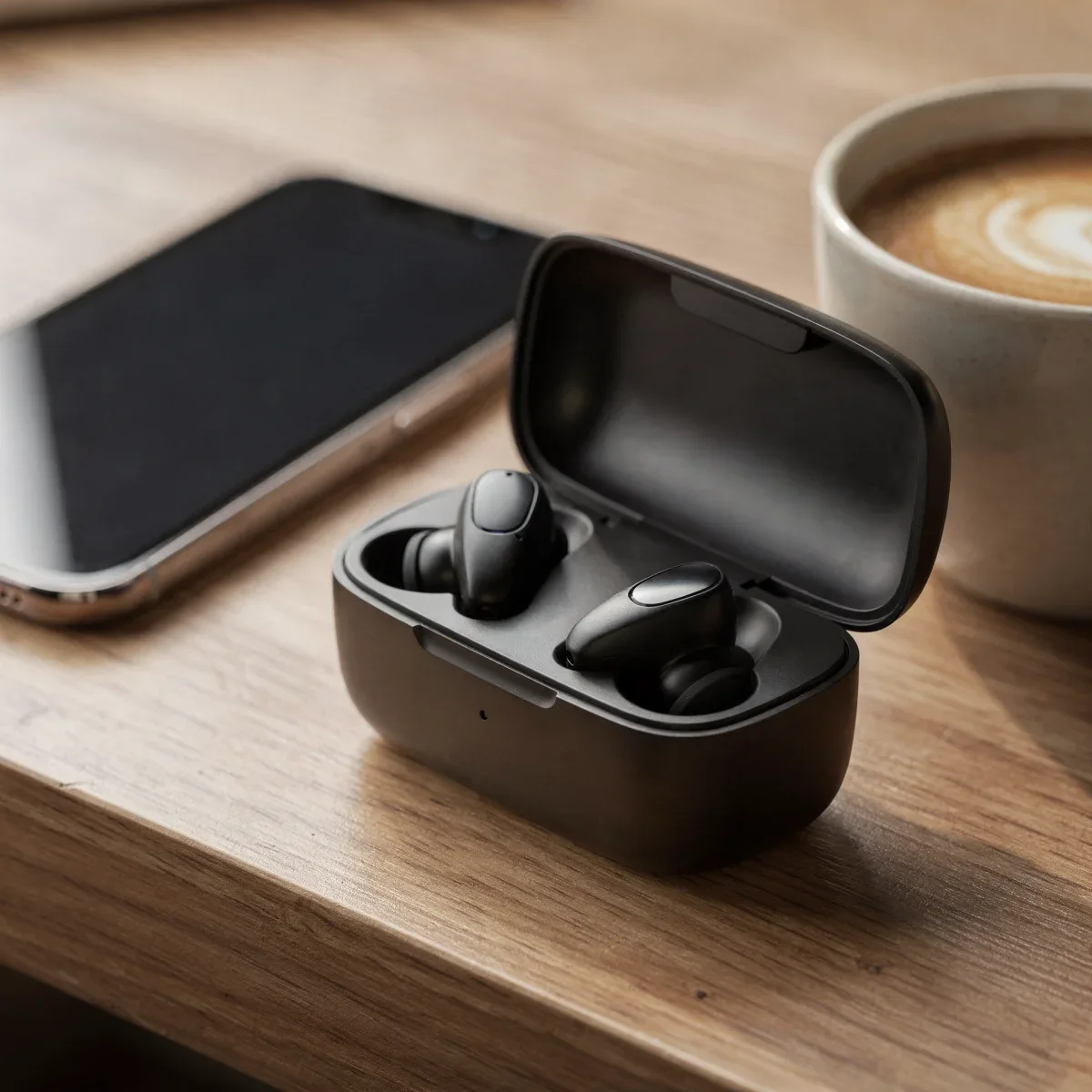
Finding the right pair of true wireless earbuds can quickly become overwhelming when you are staring at dozens of spec sheets filled with confusing technical jargon. Whether you need reliable audio for daily subway commutes, sweatproof durability for gym sessions, or crystal-clear microphone clarity for work calls, making an informed choice saves you time and money. This complete wireless earbuds buying guide breaks down everything that matters, helping you pinpoint the exact features you need before spending your hard-earned cash.
Advertisements
From drivers and noise cancellation to battery longevity and connectivity codecs, the gap between an average pair and an exceptional pair often comes down to subtle engineering details. In this guide, we will walk you through sound performance, fit, active noise cancellation, battery realities, and durability so you can choose with total confidence.
1. Sound Quality and Audio Codecs Explained
Sound quality remains the top priority for most listeners, but marketing claims like "rich bass" or "studio-grade audio" rarely tell the full story. To truly understand how a pair will sound, you need to look at physical driver design and the Bluetooth codecs the earbuds support.
Driver Size and Sound Signature
Earbud drivers typically range between 6mm and 12mm. While larger drivers can move more air and produce punchier low frequencies, tuning and acoustic chamber design matter far more than size alone. Many premium models use dual-driver systems or custom-designed dynamic drivers combined with balanced armatures to deliver balanced highs, crisp mids, and deep sub-bass without distortion.
Before purchasing, determine what kind of sound profile matches your listening habits:
- Balanced / Neutral: Ideal for podcasts, acoustic music, classical, and vocal-heavy genres where accuracy matters most.
- V-Shaped (Bass and Treble Boosted): Delivers an energetic, punchy sound signature that suits hip-hop, EDM, pop, and workout playlists.
- Customizable EQ: Look for earbuds backed by a companion smartphone app that lets you tweak frequency bands manually or choose genre presets.
Understanding Bluetooth Codecs
Bluetooth codecs dictate how digital audio is compressed and transmitted from your phone to your earbuds. If your phone and earbuds do not share the same high-quality codec, your device defaults to standard compression, sacrificing detail and introducing latency.
| Codec | Best For | Supported Devices | Key Benefit |
|---|---|---|---|
| SBC | Basic streaming | Universal (all devices) | Standard baseline audio compatibility |
| AAC | Apple users | iPhone, iPad, Mac | High power efficiency and clean fidelity on iOS |
| aptX / aptX Adaptive | Android users & gamers | Select Android phones | Dynamic bitrate and ultra-low audio latency |
| LDAC | Audiophiles | Modern Android devices | High-resolution audio streaming up to 990 kbps |
2. Active Noise Cancellation (ANC) vs. Transparency Mode
Active Noise Cancellation (ANC) has shifted from a luxury feature to a standard expectation across mid-range and premium earbuds. However, the quality of noise suppression varies dramatically between budget picks and flagship models.
How Active Noise Cancellation Works
ANC relies on outward-facing and internal microphones that detect external sound waves. The earbud processor then generates an inverted sound wave ("anti-phase") that cancels out background noise before it reaches your eardrum. Top-tier ANC excels at eliminating continuous, low-frequency hums, such as airplane engines, train tracks, and air conditioners.
When shopping for ANC, look for adaptive noise cancellation. Adaptive systems continuously measure ambient sound levels and adjust cancellation strength in real time, saving battery in quiet rooms while cranking up suppression when you walk near heavy traffic.
The Role of Transparency and Ambient Modes
Equally important is transparency mode (sometimes called ambient sound or hear-through mode). This feature uses the external microphones to pipe outside voices and traffic sounds directly into your ears, allowing you to carry on a quick conversation or stay alert while jogging down busy city streets without removing your earbuds. The best ambient modes sound natural and open, avoiding the harsh, hissy amplification common in cheaper hardware.
3. Comfort, Ergonomics, and Finding the Right Fit
The most advanced audio processing in the world will not help if your earbuds hurt your ears after thirty minutes or fall out every time you turn your head. Fit also directly affects audio performance: an improper acoustic seal lets bass leak out and severely degrades noise cancellation efficiency.
Ear Tip Materials and Styles
- Silicone Tips: The industry standard. Silicone tips are durable, easy to wash, and usually included in small, medium, and large sizes.
- Memory Foam Tips: Foam compresses before insertion and slowly expands inside your ear canal, creating a snug seal that improves passive noise isolation and stability.
- Open-Ear / Semi-Open Designs: Earbuds without silicone tips rest gently in the concha of the ear. They offer maximum long-term comfort and natural ambient awareness, but they sacrifice deep sub-bass and sound isolation.
If you plan to use your earbuds for running, lifting, or high-intensity interval training, prioritize models with integrated ear fins, wingtips, or over-ear hooks to prevent them from slipping out when you sweat.
4. Battery Life and Charging Case Performance
Battery specifications can be deceiving because manufacturers often advertise total playback time combining both the earbuds and the charging case. When reviewing battery life, always check the standalone runtime of the earbuds on a single charge with ANC turned on.
Realistic Battery Benchmarks
- Standard Earbud Playback: Expect 5 to 7 hours of continuous listening per charge with ANC active. Premium models push 8 to 11 hours.
- Total Playback with Case: A quality charging case should provide at least 2 to 3 full recharges, bringing total listening time to 20 to 30 hours.
- Fast Charging: Look for quick-charge support that provides 60 to 90 minutes of listening time from a 5 to 10-minute stint in the charging case.
- Wireless Charging: Qi-certified wireless charging allows you to drop your case onto any standard charging pad on your nightstand or office desk without fumbling with USB-C cables.
5. Durability and Water Resistance: Understanding IP Ratings
Sweat, rain, and dust can quickly ruin delicate electronics. If you plan to wear your earbuds outdoors or during workouts, checking the Ingress Protection (IP) rating is non-negotiable. An IP rating consists of two digits: the first represents dust protection, and the second represents liquid resistance.
| IP Rating | Dust Resistance | Water Resistance Level | Recommended Use Case |
|---|---|---|---|
| IPX4 | Not tested | Splash-resistant from any angle | Light rain, daily commuting, and mild gym workouts |
| IPX5 / IPX6 | Not tested | Resistant to direct water jets | Heavy sweating, intense cardio, and outdoor running in rain |
| IP55 / IP57 | Dust protected | Protected against dust and temporary water immersion | Trail running, outdoor construction, and rugged sports |
| IP68 | Dust-tight | Full continuous water submersion | Maximum durability for extreme environments |
Keep in mind that water resistance ratings apply exclusively to freshwater. Saltwater in oceans and chlorine in swimming pools will degrade acoustic mesh and rubber seals over time, and virtually no consumer earbuds are designed for active swimming unless specifically marketed as waterproof MP3 swim headsets.
6. Microphone Quality and Voice Call Clarity
As remote work and video meetings remain central to daily life, microphone performance has become a deciding factor for many buyers. Most modern earbuds use beamforming microphone arrays paired with bone-conduction voice sensors and AI-driven background noise suppression algorithms.
When assessing call clarity, look for models that effectively isolate your voice while filtering out environmental distractions like wind rustle, keyboard clicking, and coffee shop chatter. Premium earbuds often house three microphones per earbud to separate your speech from ambient noise, delivering crisp, natural audio on Zoom, Microsoft Teams, and cellular phone calls.
7. Connectivity, Multipoint Pairing, and Smart Features
Seamless connectivity separates enjoyable earbuds from frustrating gadgets. Modern Bluetooth standards provide stronger wireless connections, faster pairing times, and greater range without annoying audio dropouts.
Key Connectivity Features to Prioritize
- Bluetooth 5.3 and 5.4: Newer Bluetooth versions improve energy efficiency, offer faster handshake connections, and support the LE Audio standard with the LC3 codec for better power management.
- Bluetooth Multipoint: This essential productivity feature lets you connect your earbuds to two devices simultaneously—such as your laptop and smartphone. If you are watching a video on your computer and an incoming call rings your phone, the earbuds switch automatically without manual re-pairing.
- Customizable Touch Controls: Reliable touch sensors or physical squeeze stems allow you to play, pause, skip tracks, adjust volume, and switch listening modes without pulling your phone out of your pocket.
- Wear Detection: Optical proximity sensors detect when you pull an earbud out of your ear, automatically pausing your music and resuming playback when you put it back in.
8. Budget vs. Value: What to Expect at Every Price Tier
Knowing your budget helps narrow down the massive selection available at U.S. retailers like Amazon, Best Buy, and Target. Here is what you can realistically expect across different price brackets:
Budget Category (Under $50)
Budget earbuds have improved drastically over recent years. In this tier, expect dependable battery life, decent dynamic sound, and basic touch controls. However, you will usually trade off advanced ANC, multipoint pairing, wireless charging, and companion app customization.
Mid-Range Category ($50 to $150)
The sweet spot for everyday value. Mid-range earbuds frequently include capable active noise cancellation, ambient transparency modes, IPX4 or IPX5 sweat resistance, multi-device connectivity, and dedicated smartphone apps with customizable equalizers.
Premium Category ($150 to $300+)
Flagship earbuds deliver category-leading active noise cancellation, top-tier audio drivers, spatial audio with head tracking, premium materials, high-resolution codec support (such as LDAC or aptX Adaptive), and flawless microphone systems for voice calls.
Quick Takeaways: Key Buying Checklist
- Match the codec to your phone: Look for AAC if you use an iPhone; prioritize aptX, aptX Adaptive, or LDAC if you are on an Android device.
- Prioritize fit and comfort first: Multiple ear tip sizes and secure ergonomic styling ensure bass response, noise isolation, and all-day wearability.
- Demand Bluetooth Multipoint: If you switch between a laptop and a smartphone throughout the day, dual-device multipoint pairing is essential for convenience.
Frequently Asked Questions
What is the difference between active and passive noise isolation?
Passive noise isolation relies on physical ear tips blocking sound waves from entering your ear canal. Active Noise Cancellation uses microphones and internal processing to generate opposing sound waves that neutralize low-frequency ambient sounds.
Can I use wireless earbuds for high-intensity gym workouts?
Yes, provided they feature at least an IPX4 water resistance rating to handle sweat and moisture. For intense exercise, choose models with ear fins or ergonomic contours that stay securely anchored in your ear during rapid movement.
Do more expensive wireless earbuds always sound better?
Higher prices generally bring better drivers, premium acoustic tuning, and superior noise cancellation. However, many mid-range models offer exceptional audio that rivals flagship picks, especially if you customize the sound profile using the brand companion app.
Final Thoughts
Choosing the best audio gear comes down to matching hardware capabilities with your daily lifestyle. Use this wireless earbuds buying guide to determine whether superior active noise cancellation, long-lasting battery life, or rugged sweat resistance matters most for your routine. Once you identify your non-negotiable features, compare reputable brands within your target budget to find the perfect listening companion for everyday music, podcasts, and calls.