
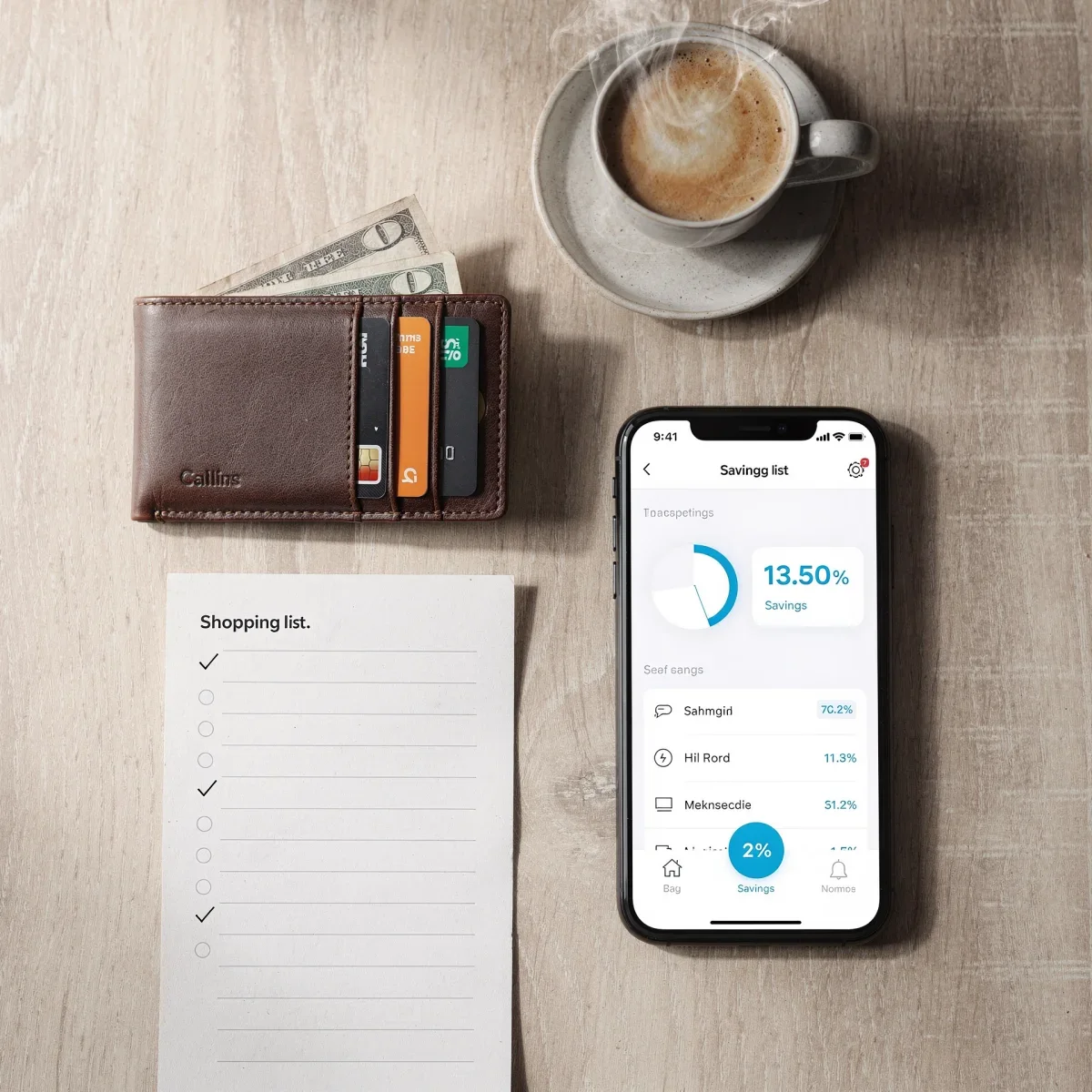
Scoring a great deal feels like an instant win, but discounts can easily trick your brain into spending more than planned. If you want to build real savings, you need to know how to use cash back and coupons strategically rather than letting promotions dictate your shopping cart. Here is how to keep your budget intact while still taking advantage of every legitimate discount.
Advertisements
The Psychology Behind the Discount Trap
Retailers design promotions specifically to trigger urgency. When you see a 20% off promo code or a limited-time 10% rebate from Rakuten or PayPal Rewards, your brain registers a reward rather than an expense. That shift often leads to buying items you would have normally skipped.
A discount only saves you money if you planned to purchase the item at full price anyway. Spending $80 on a discounted designer jacket you never wanted is not saving $20; it is losing $80 from your monthly budget.
4 Rules to Use Cash Back and Coupons Responsibly
You can protect your wallet by creating friction between seeing a promotion and completing checkout. Follow these simple guidelines whenever you shop online or in stores like Target, Walmart, and Amazon:
- Start with a list, not the app: Write down what you need before checking coupon sites or browser extensions. Search for codes only after your cart reflects your predetermined list.
- Ignore minimum spend thresholds: Tiered offers (like "Spend $100, Get $20 Off") exist to push your basket size up. Never add filler items to reach a discount tier unless those additions are non-perishable essentials you buy regularly.
- Calculate the net cost: Look at the final checkout price rather than the percentage saved. Focus on the actual dollars leaving your checking account today.
- Enforce a 24-hour cooling-off period: For non-essential purchases triggered by a flash sale, leave the items in your cart for a full day. Most impulsive urges fade overnight.
How to Stack Deals on Essentials
When you apply discounts to planned purchases like groceries, household supplies, and scheduled wardrobe refreshes, deal stacking delivers massive returns. The table below shows how a typical planned purchase can be reduced safely:
| Discount Layer | Method / Tool | Estimated Savings |
|---|---|---|
| Store Promotion | Target Circle / Retailer Digital Coupon | 10% – 20% |
| Cash Back Portal | Rakuten, TopCashback, or Capital One Shopping | 2% – 8% |
| Credit Card Reward | Category-specific card (e.g., 3%–5% back) | 3% – 5% |
By lining up these layers for items already on your list, you capture genuine savings without inflating your overall budget.
Quick Takeaways
- A coupon is only valuable if it applies to an item you intended to buy regardless of the sale.
- Avoid adding unnecessary items just to qualify for free shipping or minimum spend promotions.
- Stack store coupons, rebate portals, and credit card perks exclusively on planned, necessary purchases.
Frequently Asked Questions
Do browser extensions cause overspending?
Automatic deal extensions can prompt impulse buys by displaying pop-ups for similar items. Keep them disabled until you reach the final checkout page of an intentional purchase.
Is cash back considered taxable income in the U.S.?
In most cases, the IRS treats retail cash back and rebates as purchase discounts rather than taxable income, meaning you generally do not pay taxes on those rewards.
Should I join store loyalty programs to get coupons?
Yes, free loyalty programs at stores you frequent offer great savings. Just turn off marketing push notifications so you aren't tempted by surprise sales.
Wrap-Up
Learning to use cash back and coupons with intention puts you back in control of your financial goals. Treat discounts as a bonus on planned expenses, not an invitation to browse. Check out our latest shopping guides for more realistic, everyday money-saving strategies.