
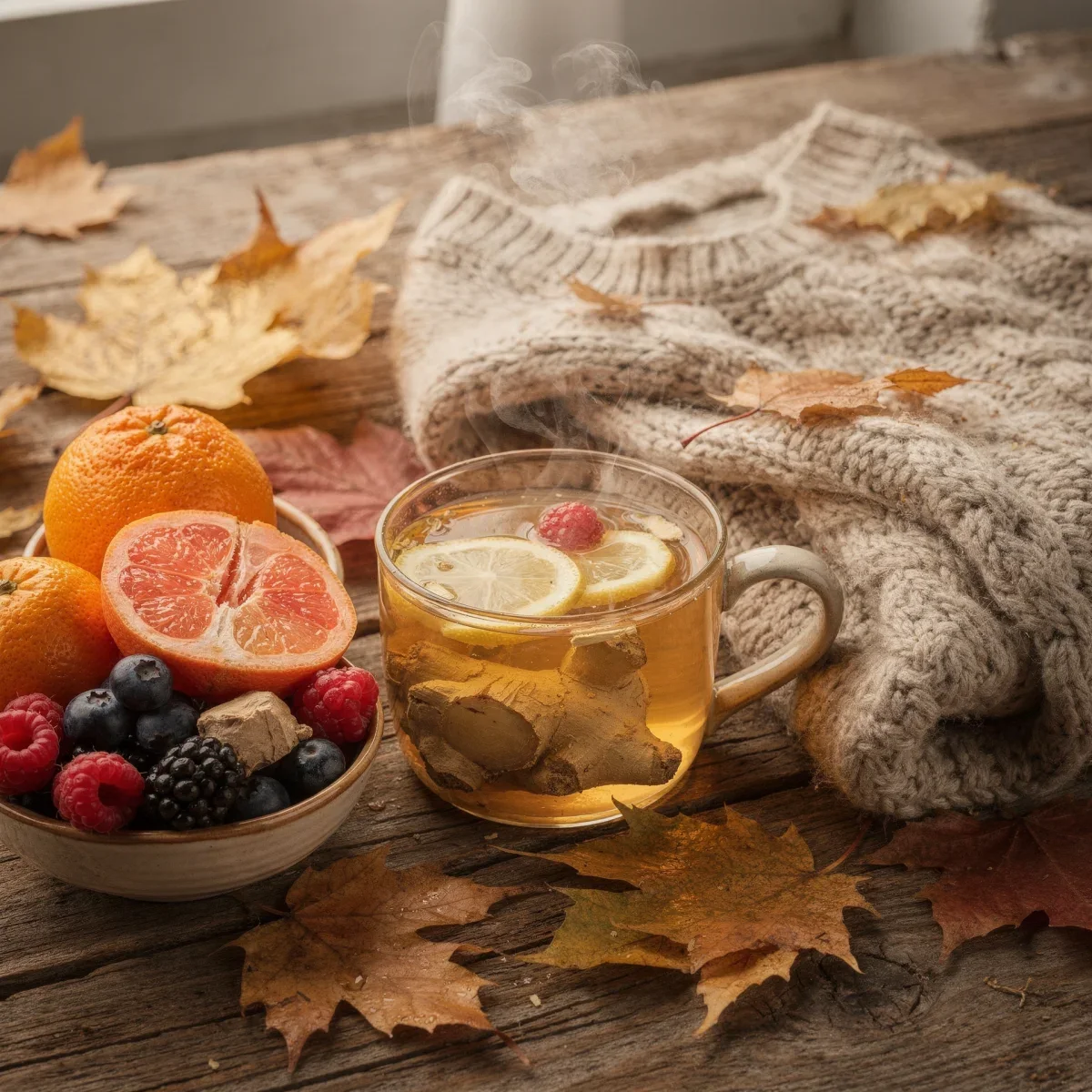
As the leaves turn and temperatures drop across the country, autumn brings cozy sweaters, pumpkin spice, and unfortunately, cold and flu season. If you want to stay active and feel your best over the coming months, adopting a few proactive daily routines can make a big difference. Here are practical, realistic habits to help support your immune system naturally this fall.
Advertisements
Prioritize Nutrient-Dense Autumn Produce
Your grocery store produce aisle is packed with seasonal superfoods that supply essential vitamins and antioxidants. Instead of relying solely on synthetic supplements, aim to build meals around colorful, whole foods available at your local Trader Joe's or Target.
- Sweet Potatoes and Squash: Packed with beta-carotene, which your body converts to vitamin A to help maintain healthy mucosal barriers.
- Citrus and Bell Peppers: Excellent sources of vitamin C that support cellular defense mechanisms.
- Garlic and Onions: Rich in allicin and prebiotic fibers that nourish your gut microbiome.
Research consistently shows that over 70% of your immune tissue resides along your digestive tract. Adding a variety of seasonal fiber and fermented items like kefir or yogurt supports diverse gut bacteria, helping your body respond efficiently to everyday seasonal stressors.
Optimize Your Sleep and Evening Routine
With shorter daylight hours in the fall, your internal circadian rhythm naturally shifts. Cutting corners on rest can quickly leave your defenses compromised. When you sleep, your body releases cytokines, proteins that play a vital role in immune response and inflammation management.
To get higher-quality sleep, aim for 7 to 9 hours nightly. Try setting a consistent bedtime and winding down at least 45 minutes before lights out. Simple adjustments like lowering your bedroom thermostat to around 65°F to 68°F and switching your phone to night mode can help you fall asleep faster and achieve deeper, more restorative rest.
Stay Hydrated Beyond Cold Water
When the weather cools down, you might not feel as thirsty as you do during sweltering summer afternoons. However, indoor heating systems quickly dry out your nasal passages, which serve as your body's frontline defense against airborne irritants.
Keep your fluid intake high by keeping a reusable water bottle nearby throughout the workday. If ice water sounds unappealing on chilly mornings, sip on warm herbal teas like ginger, chamomile, or peppermint, or enjoy a cup of low-sodium bone broth. Adding a slice of fresh lemon provides both flavor and an extra dash of vitamin C.
Incorporate Moderate Daily Movement
You do not need to grind through intense workout sessions to build resilient health. In fact, prolonged, excessive physical strain without proper recovery can temporarily suppress your body's defenses. Moderate, consistent exercise is far more effective for long-term vitality.
A brisk 30-minute walk through your neighborhood, a gentle yoga session, or a light resistance workout helps improve blood circulation. Enhanced circulation allows white blood cells and antibodies to travel freely throughout your body, detecting and responding to issues more rapidly.
Daily Fall Wellness Checklist
| Habit | Target Daily Goal | Primary Benefit |
|---|---|---|
| Seasonal Nutrition | 2 to 3 servings of colorful vegetables | Provides vital antioxidants and gut-friendly fiber |
| Hydration | 64 to 80 oz of water or warm tea | Protects mucous membranes against dry indoor air |
| Restful Sleep | 7 to 9 hours of uninterrupted rest | Facilitates cellular repair and cytokine production |
| Daily Movement | 30 minutes of moderate activity | Enhances white blood cell circulation and reduces stress |
Quick Takeaways
- Fuel your body with colorful seasonal foods like sweet potatoes, citrus fruits, and prebiotic-rich garlic to strengthen gut defenses.
- Aim for 7 to 9 hours of quality sleep each night to allow essential cellular repair and immune regulation.
- Drink warm herbal teas and keep indoor humidity balanced to protect dry airways from autumn heating.
Frequently Asked Questions
Can vitamin C supplements prevent seasonal colds?
While vitamin C is an essential nutrient for cellular health, high-dose supplements will not guarantee you avoid seasonal bugs. Regular intake through whole foods may slightly reduce the duration and severity of symptoms once they begin.
How does chronic stress affect my immune health?
Prolonged stress elevates cortisol levels, which can suppress natural immune responses over time. Incorporating daily stress-relief practices, like walking or mindfulness, helps keep inflammation balanced and preserves defensive cellular functions.
How much water should I drink during cooler months?
Most adults benefit from drinking between 64 and 80 ounces of total fluid daily. Warm unsweetened teas, broths, and water-rich fruits and vegetables all count toward your daily hydration targets.
Moving Forward into Autumn
Building strong defenses for the cooler months does not require an overhaul of your lifestyle. By focusing on consistent rest, nutrient-rich seasonal meals, and daily movement, you create sustainable routines that support your immune system all season long. Subscribe to our wellness newsletter for more weekly health guides, seasonal recipes, and science-backed living tips.
This article is for informational purposes only and is not a substitute for professional medical advice. Talk to your doctor before making changes to your health routine.