
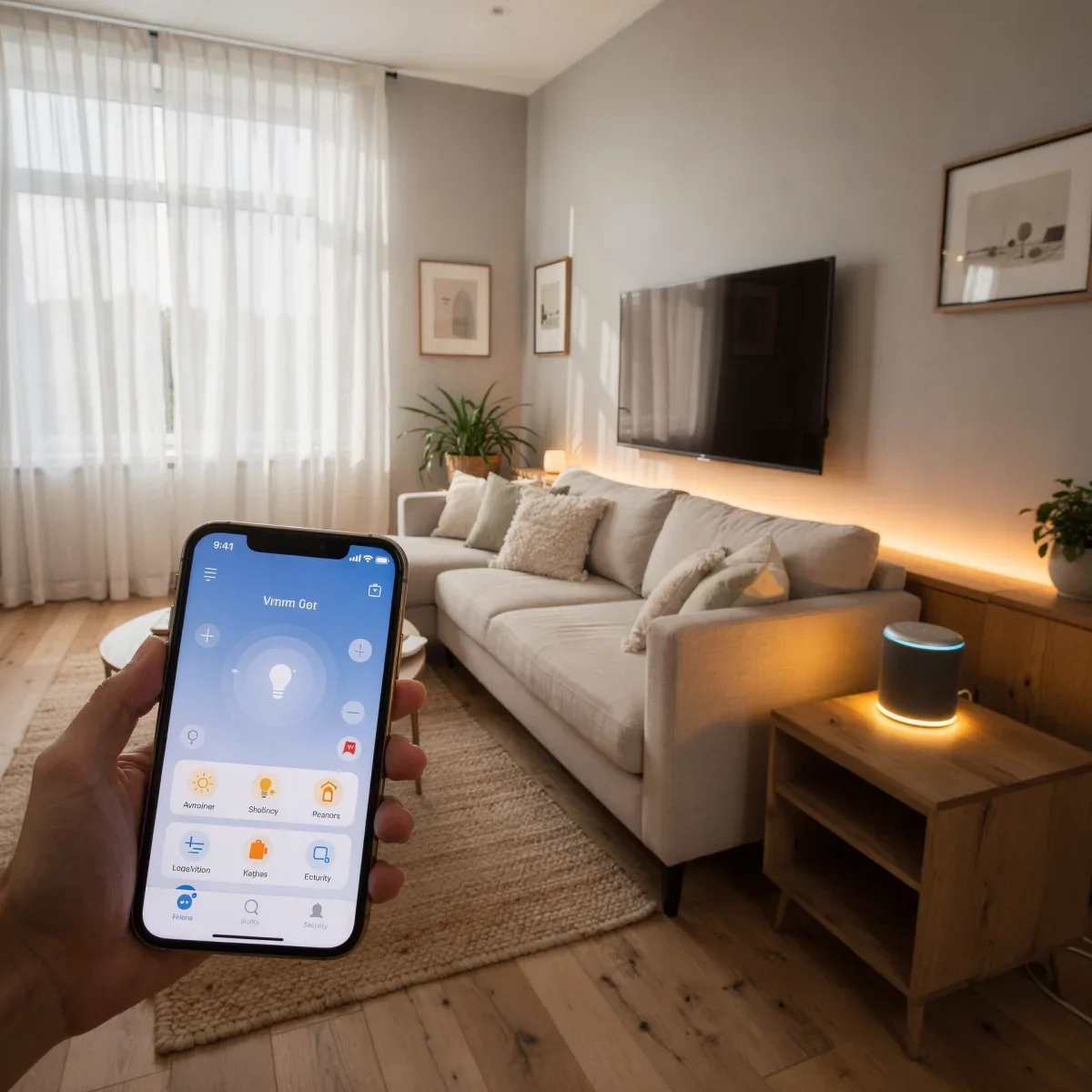
Stepping into home automation often feels overwhelming when browsing retail aisles packed with hubs, bridges, and complex wiring kits. The truth is that you do not need an engineering degree or a massive budget to make your living space more convenient. Choosing the right smart home devices for beginners allows you to build a helpful setup one room at a time.
Advertisements
Instead of overhauling your entire house right away, focus on reliable gadgets that solve everyday annoyances. Here are the top starter picks that offer genuine utility right out of the box.
1. Smart Plugs: The Most Affordable Entry Point
If you want instant results with zero installation hassle, smart plugs are the easiest place to start. You simply plug them into an existing wall outlet, connect them via Wi-Fi through an app, and plug in your standard appliances. Popular options like the Kasa Smart Plug Mini or Amazon Smart Plug usually cost between $10 and $25 each at retailers like Target and Amazon.
Use them to automate lamps, run your coffee maker on a morning schedule, or turn off fans automatically when you leave for work. They give ordinary appliances modern capabilities without replacing them.
2. Smart Lighting: Ambiance and Energy Savings
Smart light bulbs provide immediate visual impact and practical energy savings. Brands like Philips Hue (with Bluetooth) and Wyze Bulb screw directly into standard light sockets and pair with your phone in minutes. You can dim the lights, schedule them to turn on at sunset, or set warm tones for winding down before bed.
Smart lighting also adds a layer of vacation security by letting you randomize schedules while traveling, giving the appearance that someone is actively at home.
3. Voice Assistants: The Central Control Hub
A smart speaker acts as the central brain for all your connected gear. The Amazon Echo Dot and Google Nest Mini remain the two best entry points, frequently priced under $50 at Best Buy and Walmart. Both options feature clear audio for casual music listening, set hands-free timers while cooking, and respond to simple voice commands.
| Device Category | Recommended Starter Option | Average Price | Best For |
|---|---|---|---|
| Smart Plug | Kasa Smart Wi-Fi Plug | $10 – $20 | Lamps, fans, and small appliances |
| Smart Bulb | Wyze Bulb Color | $12 – $25 | Custom lighting and daily schedules |
| Smart Speaker | Amazon Echo Dot / Google Nest Mini | $30 – $50 | Hands-free controls and routines |
| Video Doorbell | Ring Video Doorbell / Blink Video Doorbell | $40 – $70 | Front door security and packages |
4. Smart Video Doorbells: Easy Peace of Mind
Front door security is one of the most rewarding upgrades for new smart homeowners. Battery-powered options like the Blink Video Doorbell or entry-level Ring models mount with a few screws and do not require existing chime wiring. You get instant phone alerts whenever someone steps onto your porch, plus two-way audio to speak with delivery drivers from anywhere.
Quick Takeaways
- Start small: Begin with one or two smart plugs to learn app controls before buying expensive hardware.
- Pick an ecosystem: Choose between Amazon Alexa, Google Home, or Apple Home early to ensure seamless compatibility.
- Prioritize Wi-Fi stability: Ensure your home router reaches every corner where you plan to install devices.
Frequently Asked Questions
Do I need a dedicated hub to run smart home devices?
No. Most modern starter devices connect directly to your home Wi-Fi network or use Bluetooth, eliminating the need for a separate hardware hub.
Which smart home ecosystem is best for beginners?
Amazon Alexa and Google Home offer the widest device compatibility and simplest app interfaces for newcomers. Pick the platform that matches the voice assistant you prefer.
Do smart home devices increase my electricity bill?
No. Most smart gadgets consume minimal standby power, and features like automated scheduling can actually help lower your monthly electric bills over time.
Building a helpful automated home is easiest when you focus on practical smart home devices for beginners that solve daily frustrations. Pick one or two gadgets to start with this weekend, test them out, and expand your setup as your needs grow.