
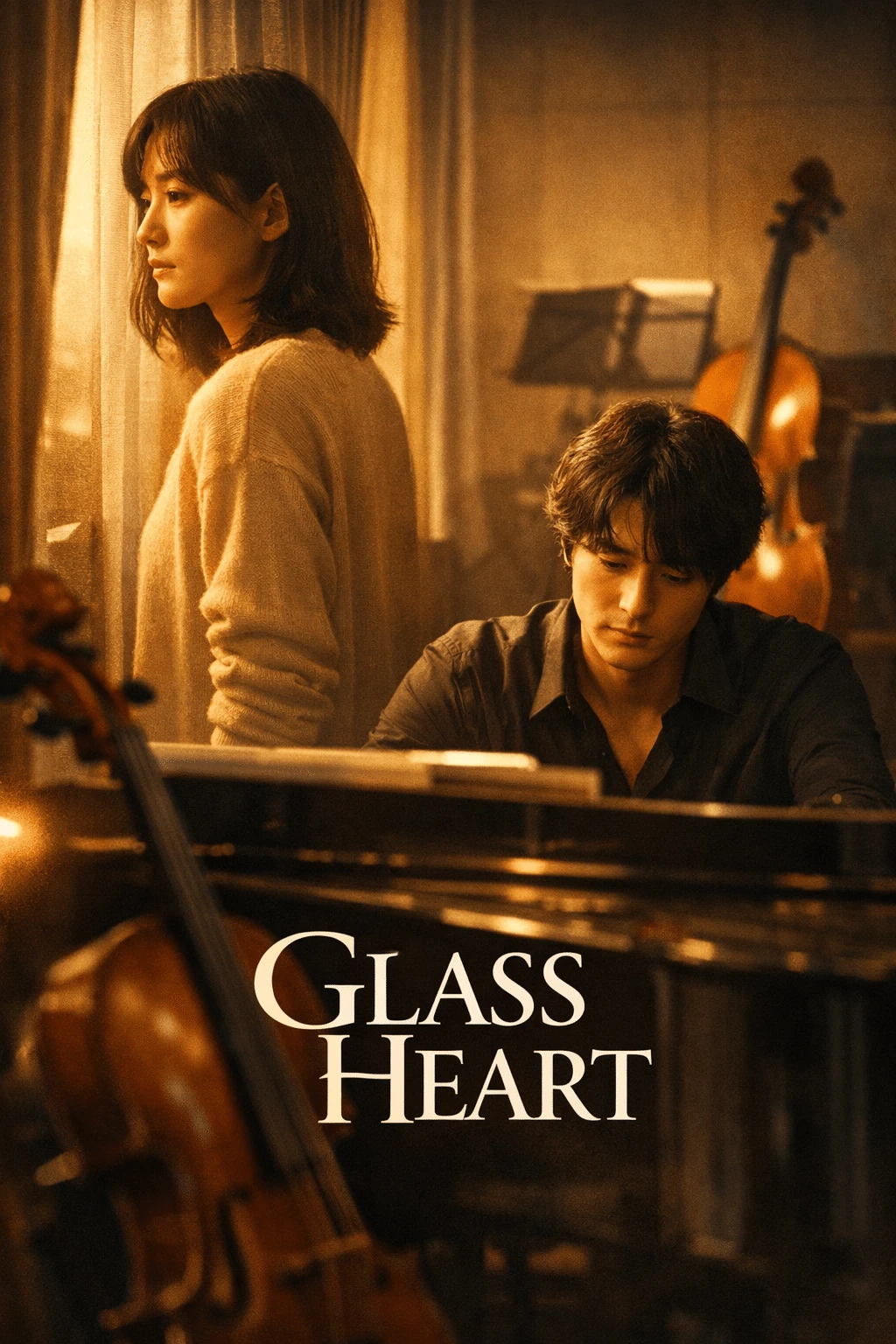
Glass Heart: A Tale of Redemption and Musical Dreams
“Glass Heart” stands out as one of Netflix’s most ambitious ventures in the Japanese dorama landscape, offering a storyline that goes beyond the typical confines of musical drama. Adapted from Mio Wakagi’s novel, the series weaves a deeply human narrative focused on redemption, artistry, and the sacrifices essential to reach stardom in the music world.
Advertisements
Storyline and Character Development
The initial concept is familiar yet executed with finesse: Akane Saijo, a gifted drummer from university, watches her aspirations shatter when she is wrongfully expelled from her band just before their debut. The script sidesteps predictable tropes by introducing Naoki Fujitani, a talented and introverted musician who sees Akane’s potential and invites her to join his new band, TENBLANK.
What distinguishes “Glass Heart” from other titles in its genre is its mature perspective on the music industry’s dynamics. The series does not glorify the path to success but rather delves into the rivalries, pressures, and conflicts that accompany artistic ambition. The competition between TENBLANK and OVER CHROME, a band led by the charming Toya Shinzaki, enriches the storyline without resorting to shallow antagonism.
Direction and Visual Aesthetics
Directed by Kohtaro Goto and Kensaku Kakimoto, “Glass Heart” redefines the standards for musical doramas. The live performance scenes are remarkably cinematic, employing over 5,000 extras and a 12-camera setup to capture the shows’ energy and dynamism. This level of production, rarely witnessed in Japanese series, provides a visceral authenticity that immerses the viewer in the performance.
The cinematography employs warm hues during personal interactions among characters, contrasting with the dramatic and vibrant lighting used in musical segments. This visual duality skillfully reflects the protagonists’ dual worlds: their personal lives and performance settings.
Acting and Musical Authenticity
Takeru Satoh delivers one of his most layered performances as Naoki Fujitani, balancing musical prowess with emotional depth. His dedication to the role extends beyond acting, as he also takes on the role of executive co-producer, ensuring artistic consistency in the project.
Yu Miyazaki shines as Akane, showcasing both determination and vulnerability. Her self-discovery journey feels authentic, particularly as she navigates the tension between band loyalty and personal aspirations. The supporting cast, including Keita Machida and Jun Shison as guitarist and keyboardist respectively, contributes to a believable group chemistry.
A key element of the series is the cast’s dedication to musical authenticity. All primary actors underwent extensive training on their respective instruments, resulting in performances that do not rely on dubbing or editing techniques.
Soundtrack and Musical Composition
The involvement of Yojiro Noda, lead vocalist of the renowned band RADWIMPS, in crafting the original songs significantly enhances the musical quality of the series. “Crystalline Echo,” featured in the teaser, illustrates how the songs serve not just as entertainment but also as narrative extensions that express the characters’ emotional journeys.
The soundtrack blends elements of contemporary Japanese rock with more experimental sounds, reflecting the innovative spirit of the fictional band TENBLANK. Each composition is seamlessly woven into the storyline, avoiding the sensation of musical numbers being detached from the overall plot.
Themes and Emotional Resonance
“Glass Heart” delves into universal themes through the unique perspective of Japanese musical culture. The notion of second chances resonates profoundly, not only for Akane but for all band members who carry their scars and unfulfilled dreams.
The series also thoughtfully addresses the pressures of the entertainment world, including manipulation by powerful producers and the personal toll of fame. These aspects add weight to the narrative while still allowing for moments of levity and human connection.
Key Highlights
The greatest strength of “Glass Heart” lies in its ability to balance spectacle with intimacy. The grand performance scenes beautifully contrast with quieter moments of introspection, creating a narrative rhythm that reflects the series’ own musical compositions.
The depiction of artistic creativity is particularly well-handled, showcasing both bursts of inspiration and instances of creative blockage. The series avoids romanticizing the artistic process, presenting it as a labor-intensive endeavor that demands commitment and sacrifice.
Concluding Thoughts
“Glass Heart” stands as a benchmark production within the Japanese musical genre, merging top-tier production values with emotive storytelling and compelling performances. The series appeals to both drama enthusiasts and music lovers, providing a rich and multifaceted viewing experience.
With its mature examination of the challenges inherent in the music industry and its focus on developing well-rounded characters, “Glass Heart” is poised to be one of the standout series of 2025. It celebrates both the transformative essence of music and the resilience of the human spirit amid adversity.
A série representa um marco na evolução dos doramas musicais, provando que é possível criar entretenimento de massa sem comprometer profundidade artística ou autenticidade emocional.