
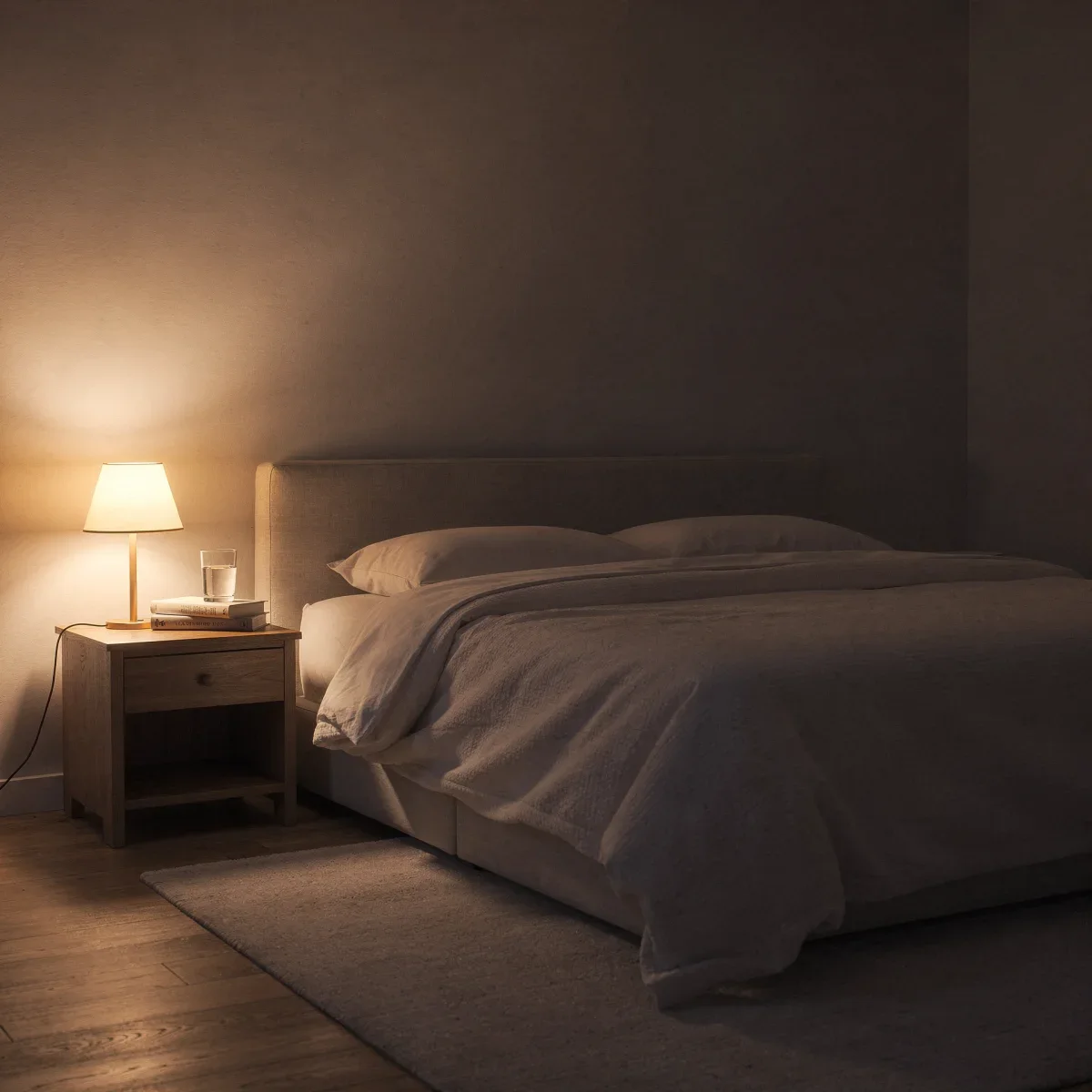
You crawl into bed exhausted after a long day, pull up the covers, and close your eyes. Instead of drifting off peacefully, your brain kicks into overdrive, running through tomorrow's to-do list while the bedroom clock ticks away. If you find yourself staring at the ceiling every night, you are far from alone, but you can learn how to fall asleep faster using straightforward, science-backed habits that do not rely on over-the-counter sleep aids.
Advertisements
Falling asleep is not an on-off switch; it is a gradual biological process guided by your internal clock, body temperature, and nervous system. When you align your daily routine and evening environment with your body's natural sleep signals, falling asleep becomes effortless. Here is a practical roadmap to help you quiet your mind and drift off quickly tonight.
Reset Your Circadian Rhythm with Light Management
Your body relies on an internal 24-hour master clock known as the circadian rhythm. This system uses natural light exposure to dictate when to release cortisol to keep you alert and when to produce melatonin to make you drowsy. Managing your daily exposure to light is one of the most effective ways to fall asleep faster without pills.
Start your morning by getting 10 to 20 minutes of direct sunlight within an hour of waking up. Step outside for a short walk or drink your morning coffee by a bright window. This bright light suppresses lingering melatonin and sets a timer for your evening sleep drive. Research supported by the National Institutes of Health (NIH) shows that morning daylight exposure helps consolidate sleep architecture and reduces sleep onset latency.
Conversely, artificial blue light from smartphones, tablets, TVs, and bright overhead bulbs in the evening tricks your brain into thinking it is still daytime. Blue light suppresses natural melatonin production, pushing your sleep window back by hours. Dim your home lights two hours before bed, switch your devices to night mode, and consider putting screens away at least 45 minutes before turning in.
Master Calming Breathing and Mental Techniques
When physical tension or racing thoughts keep you awake, targeted relaxation techniques help shift your autonomic nervous system from a stressed sympathetic state to a restorative parasympathetic state. Try adding one of these three proven methods to your nightly routine:
- The 4-7-8 Breathing Method: Developed by integrative health experts, this breathing exercise acts as a natural sedative. Inhale quietly through your nose for 4 seconds, hold your breath gently for 7 seconds, and exhale completely through your mouth with a soft whoosh for 8 seconds. Repeat this cycle four times to slow your heart rate and settle your nervous system.
- Progressive Muscle Relaxation (PMR): Starting at your toes, slowly tense a specific muscle group for 5 seconds, then consciously release the tension for 10 seconds. Work your way upward through your calves, thighs, abdomen, shoulders, and face. PMR helps release hidden physical tension and draws your focus away from racing thoughts.
- Cognitive Shuffling: If your mind continues to loop over stressful topics, pick a neutral word like "BLANKET." Think of words that start with "B" (beach, bottle, butter) and visualize each item for a few seconds. Move to "L" (lemon, ladder, leaves), and continue through the word. This gentle mental distraction breaks anxiety loops and mimics the brain's natural transition into dream states.
Optimize Your Bedroom for Sleep
Your sleep environment plays a direct role in how quickly your body settles down. A bedroom that is too warm, cluttered, or bright creates subtle stressors that delay sleep onset. Turning your bedroom into a quiet retreat makes it easier for your body to recognize that it is time to rest.
| Sleep Factor | Ideal Target | Why It Helps |
|---|---|---|
| Room Temperature | 65°F to 68°F (18°C to 20°C) | Your core body temperature naturally drops to initiate sleep; a cool room facilitates this drop. |
| Ambient Light | Total darkness | Eliminates visual stimuli and prevents melatonin suppression from streetlights or LEDs. |
| Sound Levels | Under 30 dB or steady white noise | Drowns out unpredictable household or neighborhood sounds that trigger micro-arousals. |
If street noise or passing traffic disturbs your room, a simple fan or a sound machine running pink or white noise can create an even acoustic blanket. Blackout curtains or a comfortable, contoured eye mask can also eliminate stray light from streetlamps or electronics.
Build a Consistent 60-Minute Wind-Down Routine
Your mind needs a buffer zone to transition from daytime productivity to evening rest. Going straight from sending work emails to expecting instant sleep rarely works. Setting aside 45 to 60 minutes for a predictable wind-down ritual signals to your brain that the day is finished.
Consider taking a warm shower or bath about an hour before you plan to sleep. While the warm water feels relaxing, the primary benefit happens right after: as you step out of the bath, your blood vessels dilate, rapidly lowering your core body temperature and triggering a surge of natural sleepiness. Follow this with a quiet activity like reading a physical book, listening to soft instrumental music, or journaling to get lingering thoughts onto paper.
Apply the 20-Minute Stimulus Control Rule
One of the core tenets of Cognitive Behavioral Therapy for Insomnia (CBT-I) is stimulus control. If you have been tossing and turning for roughly 20 minutes, get out of bed. Staying in bed while feeling frustrated conditions your brain to associate the mattress with anxiety and wakefulness rather than rest.
Leave the bedroom and move to a dimly lit, comfortable space. Read a book, listen to a calming podcast, or do light stretching until you feel genuinely drowsy. Once your eyelids feel heavy, return to bed. Over time, this practice retrains your brain to connect your bed solely with fast, effortless sleep.
Quick Takeaways
- Sync your light exposure: Get natural morning sunlight within an hour of waking and dim indoor lighting and screens two hours before bed.
- Cool down your space: Set your bedroom thermostat between 65°F and 68°F to help your core body temperature drop for sleep onset.
- Follow the 20-minute rule: If you cannot fall asleep within 20 minutes, leave the bed for a relaxing activity in dim light until you feel sleepy.
Frequently Asked Questions
What should I do if my mind races when trying to fall asleep?
Try the 4-7-8 breathing technique or write down your worries in a notebook before bed. If thoughts persist after 20 minutes, leave the room and read in dim light until drowsiness returns.
Does taking a hot shower before bed help with sleep?
Yes. Taking a warm bath or shower 60 to 90 minutes before bed brings blood to the skin surface, causing your core body temperature to drop quickly afterward, which naturally promotes sleepiness.
How long should it normally take to fall asleep?
For healthy adults, falling asleep typically takes between 10 and 20 minutes. Falling asleep instantly can indicate sleep deprivation, while taking longer than 30 minutes regularly suggests poor sleep hygiene or elevated evening stress.
Start Improving Your Sleep Quality Tonight
Building habits that help you fall asleep faster takes a few nights of consistency, but the rewards for your mood, energy, and overall wellness are well worth the effort. Pick one or two strategies from this guide to try tonight, like setting your thermostat to 66°F and putting your phone away an hour before bed. Explore our latest guides on daily wellness habits to keep upgrading your evening and morning routines.
This article is for informational purposes only and is not a substitute for professional medical advice. Talk to your doctor before making changes to your health routine.