
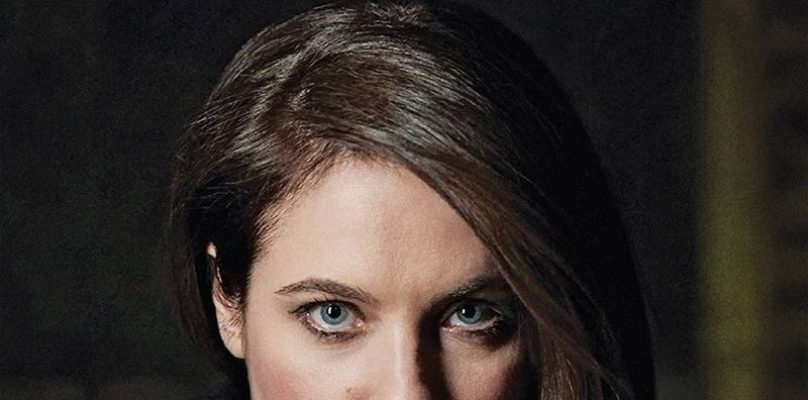
Imagine a world where the lines between compassion and legality blur. In the drama Mary Kills People, we delve into such a realm, a compelling narrative that debuted on Global and Lifetime in 2017, sparking conversations around assisted dying with a blend of dark humor.
Advertisements
Mary Kills People first aired on January 25, 2017, in Canada and followed up with a U.S. premiere on April 23, 2017. This Canadian black comedy-drama, created by Tara Armstrong, explores the delicate topic of physician-assisted death across three seasons, each comprising six one-hour episodes. It achieves a remarkable balance, addressing heavy ethical questions while keeping the tone engaging and accessible.
At the heart of the series is Mary Harris, a single mother and ER doctor who, alongside her partner Des—a former plastic surgeon—operates an underground service for terminally ill patients seeking to end their lives on their own terms. The show intricately blends medical drama with dark comedy, presenting viewers with intense moral dilemmas intertwined with humor, crafting deep empathy for all characters embroiled in these complex scenarios.
Living a Dual Existence: The Balance of Healing and Letting Go
Dr. Mary Harris, the show’s protagonist, navigates the challenges of her legitimate career at Eden General Hospital while secretly assisting patients in dying. The narrative centers on her struggle to maintain both her public persona and her clandestine operations, all while evading law enforcement scrutiny. The psychological strain of leading a double life is a recurring theme, captivating the audience with the stakes involved.
Every episode escalates the tension between Mary’s compassionate motives and the escalating dangers of her actions. The series masterfully juxtaposes serious themes with light-hearted moments, keeping viewers both engaged and reflective.
Caroline Dhavernas as Mary Harris: A Layered Performance
Caroline Dhavernas delivers a standout portrayal of Dr. Mary Harris, showcasing the character’s expertise and emotional depth. Known for her role in Hannibal, Dhavernas infuses authenticity into Mary, who genuinely believes in her work’s necessity while grappling with the ethical ramifications. Her performance oscillates between admiration and concern, ensuring viewers remain unsettled by her choices.
Throughout the series, Mary’s character evolves from someone with firm morals to a person forced to compromise her values to safeguard her practice and family. Dhavernas’ ability to convey this transformation anchors the emotional weight of the show, rendering the controversial themes profoundly personal.
Detective Ben Wesley: The Investigative Pursuit of Justice
Portrayed by Jay Ryan, Detective Ben Wesley goes undercover as a terminally ill patient to investigate Mary’s actions. Ryan’s performance melds intensity with nuance, as he grapples with the conflict between his law enforcement responsibilities and the understanding of why individuals seek Mary’s assistance. This dynamic forms the crux of the series, highlighting the moral ambiguities inherent in his investigative role.
The evolving relationship between Wesley and Mary injects much of the series’ drama, as Ryan’s portrayal underscores the detective’s internal struggle—questioning whether he’s pursuing a criminal or a compassionate figure.
Des Bennett: A Loyal Ally Amidst Chaos
Richard Short embodies Desmond “Des” Bennett, Mary’s steadfast partner and former plastic surgeon. His character offers medical expertise and emotional support, radiating warmth and dependability even in perilous circumstances. The chemistry between Short and Dhavernas lays the groundwork for exploring how partnerships endure under pressure.
Des represents both stability and vulnerability for Mary; Short’s portrayal captures the essence of a character who embarked on this path out of altruism yet bears the weight of its consequences.
Rising Stakes: The Clash of Law and Compassion
As the series progresses, the risks surrounding Mary’s practice intensify, drawing unwanted attention from law enforcement and criminal elements eager to exploit her services. Without revealing too much, the final season challenges Mary to reevaluate whether her compassionate intentions justify the dangers imposed on her and her unsuspecting family.
These climactic moments effectively weave together the series’ themes of mercy, justice, and the often impossible choices individuals make in their efforts to help others while safeguarding their loved ones.
Acclaim on Global and Lifetime
Mary Kills People has garnered commendable ratings on IMDb and received praise for its sensitive portrayal of contentious topics. Critics highlighted Dhavernas’ performance and the show’s ability to marry humor with serious themes without diminishing their significance. Although Lifetime opted not to air the third season, the complete series has found its way to international audiences, showcasing its broad appeal.
A Distinctive Ethical Exploration
For aficionados of medical dramas infused with dark humor and intricate moral questions, Mary Kills People is a must-watch. It adeptly fuses challenging subject matter with in-depth character exploration, steering clear of simplistic conclusions regarding complex ethical issues.
Tags: Caroline Dhavernas, assisted dying, medical drama, dark comedy, ethical dilemmas
Catalyzing Important Discussions
Mary Kills People exemplifies the audacity of television to confront controversial subjects, merging authentic medical insights with heartfelt human experiences and unexpected humor. This series transcends typical medical dramas, offering a profound examination of end-of-life decisions that invites viewers to reflect on compassion, legality, and personal freedom.
Series Overview
Number of Episodes: 18 episodes over 3 seasons (6 episodes each)
Available On: Global (Canada), Lifetime (US Seasons 1-2), Netflix (international)
Years Active: 2017-2019
Current IMDb Score: 7.5/10
Genres: Dark Comedy, Medical Drama, Thriller
Status: Concluded (2019)
Main Characters: Dr. Mary Harris (Caroline Dhavernas), Des Bennett (Richard Short), Detective Ben Wesley (Jay Ryan)
Antagonist: Law enforcement investigation and criminal threats to Mary’s practice