
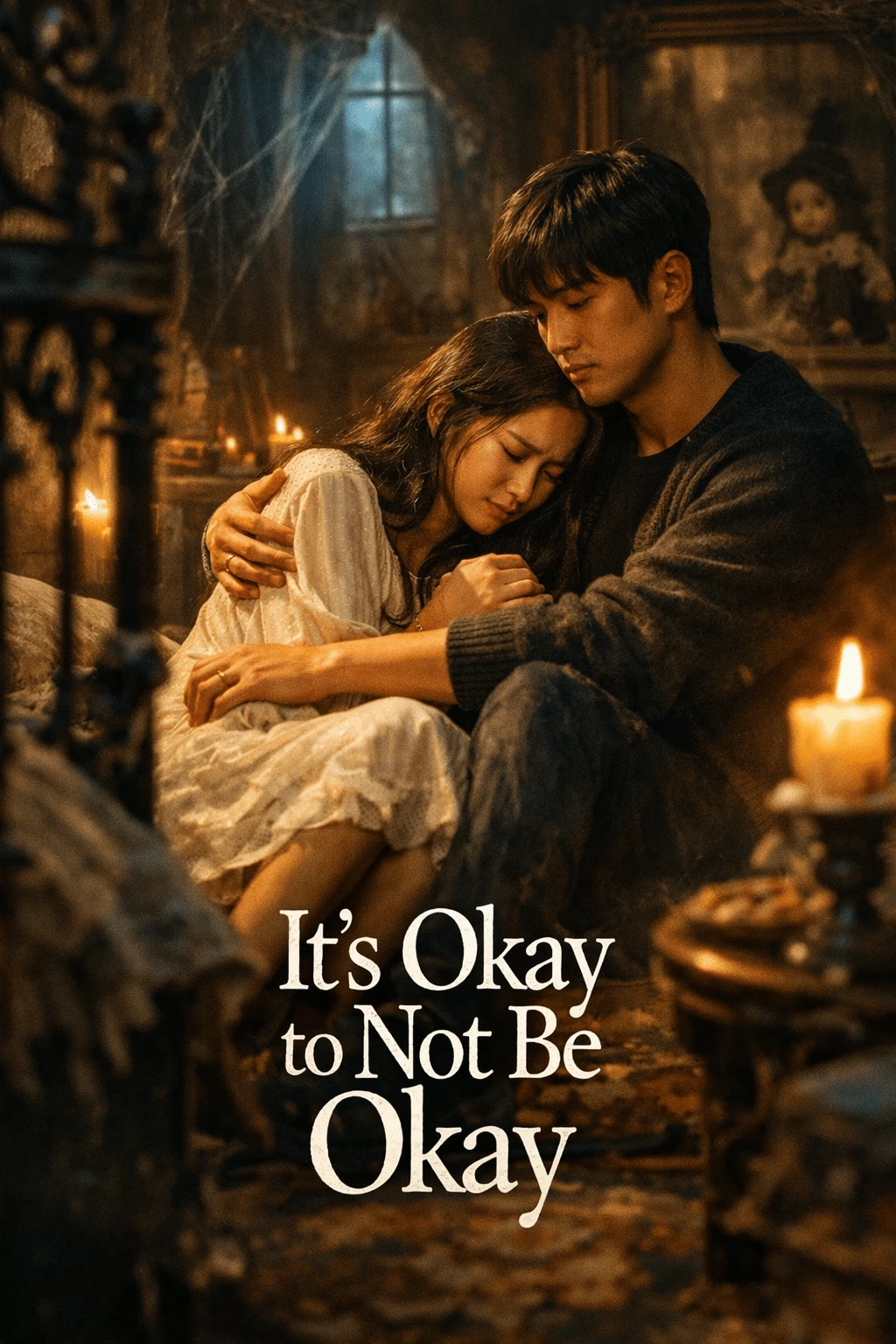
Hello, everyone! How are you? Today, I’m excited to share my thoughts on the drama It’s Okay to Not Be Okay, which has captured the hearts of viewers around the globe on Netflix.
Advertisements
This captivating psychological romance series debuted in June 2020, consisting of 16 episodes, each lasting roughly 70 minutes, available on Netflix. It skillfully merges themes of mental health with gothic fairy tale motifs, crafting a distinct narrative that delves into trauma, recovery, and the significance of human relationships. Set in a psychiatric hospital, the story follows the interconnected lives of three characters as they assist one another in confronting their most profound fears and emotional scars.
When Damaged Souls Connect
The narrative revolves around Moon Gang-tae, a caregiver in a psychiatric ward who has devoted his life to caring for his autistic older brother, Sang-tae, while neglecting his own aspirations and feelings. Their meticulously organized world is shaken when they meet Ko Moon-young, a troubled yet successful children’s book author grappling with antisocial personality disorder. Moon-young becomes intrigued by Gang-tae, persistently pursuing him as he attempts to maintain distance for the sake of both himself and his brother.
As the lives of the three characters intertwine further, hidden truths from their collective past begin to emerge. The show examines how childhood experiences have molded each individual, revealing connections that are far more profound than mere chance. Through Moon-young’s eerie fairy tales and the brothers’ path of self-discovery, the drama intricately weaves a narrative about facing inner demons and the journey to healing.
Moon Gang-tae: The Caregiver’s Path to Self-Discovery
Gang-tae embodies the archetype of the selfless caregiver who has lost sight of his own identity. His character development effectively illustrates someone who has been so concerned with the needs of others that he has forgotten his own aspirations and desires. Throughout the series, we witness him gradually recognize his own value and right to joy.
His bond with his brother Sang-tae serves as the emotional foundation of his character growth. The series treats their relationship with exceptional sensitivity, showcasing both the beautiful connection they share and the realistic challenges of caregiving. Gang-tae’s journey toward establishing healthy boundaries while providing love and support creates some of the show’s most touching moments.
Ko Moon-young: The Complex Path to Redemption
Moon-young stands out as one of the most intricate female characters in K-drama history. With a diagnosis of antisocial personality disorder, she initially comes off as a self-centered, manipulative individual who takes what she wants without considering others. However, the series slowly uncovers the profound trauma that underpins her behavior and her real potential for growth and love.
Her character’s evolution is expertly portrayed, illustrating how someone who appears incapable of empathy can genuinely connect with others. Moon-young’s relationships with both brothers become the driving force behind her transformation, as she learns to look beyond her own needs and comprehend the effects of her actions on those around her. Her transition from emotional seclusion to authentic connection forms one of the most gratifying character arcs in the drama.
Facing the Shadow of the Butterfly
The series reaches its emotional climax when the truth about the characters’ shared traumatic history is unveiled. The mystery surrounding Moon-young’s mother and her ties to the brothers leads to a pivotal confrontation that compels all three protagonists to confront their deepest fears. This revelation not only clarifies their psychological scars but also unlocks the pathway to their healing.
The climax artfully blends fairy tale elements with psychological realism, crafting an ending that feels both magical and emotionally genuine. The characters must confront their personal and symbolic monsters to escape the cycles of trauma that have shaped their lives.
A Healing Community
The psychiatric hospital backdrop allows the series to introduce a diverse array of supporting characters, each grappling with their own mental health issues. From the patients to the medical personnel, these characters enrich the narrative and add authenticity, reinforcing the drama’s central themes concerning the shared nature of emotional struggles.
Sang-tae’s character merits special recognition for its respectful and nuanced depiction of autism. Rather than exploiting his condition for comedic relief or as an inspirational trope, the series presents him as a fully developed individual with his own aspirations, fears, and agency within the storyline.
Netflix Triumph
It’s Okay to Not Be Okay has achieved significant success on Netflix, emerging as a global sensation that has introduced numerous international viewers to Korean drama. The series has been lauded for its daring approach to mental health topics, stunning visual style, and outstanding performances. Its unique fusion of psychological thriller elements with romantic drama distinguishes it from conventional K-dramas, while its gothic fairy tale atmosphere delivers a unique viewing experience that resonates with audiences worldwide.
For those who appreciate psychological dramas featuring complex characters and meaningful themes, It’s Okay to Not Be Okay is an ideal series to binge on Netflix.
A beautifully crafted series that demonstrates healing is achievable when we summon the courage to face our demons and find the right people to support us along the way.
Série Detalhes:
Episodes: 16 episodes
Platform: Netflix
Rating: 9.0/10 IMDb
Genre: Psychological Romance, Drama, Thriller
Main Cast: Kim Soo-hyun (Moon Gang-tae), Seo Ye-ji (Ko Moon-young), Oh Jung-se (Moon Sang-tae)
Antagonist: Ko Moon-young’s mother (past trauma/psychological wounds)