
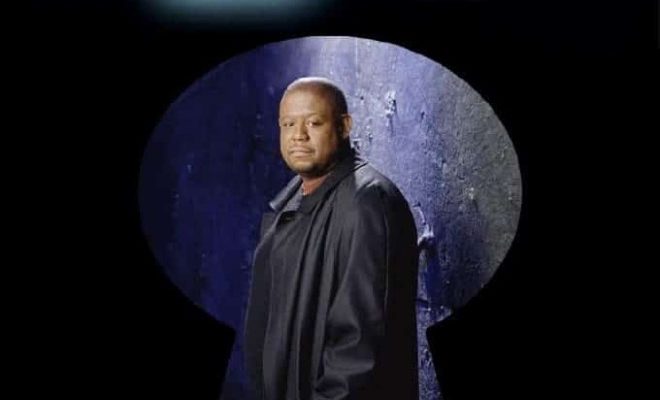
Greetings, fellow enthusiasts! Have you ever found yourself captivated by narratives that blend the strange with the profound? Today, we’ll delve into the anthology series The Twilight Zone, an innovative reimagining that channels Jordan Peele’s distinctive vision into the realm of science fiction, presenting stories that resonate with our current societal concerns.
Advertisements
The Twilight Zone is a contemporary anthology television series crafted by Simon Kinberg, Jordan Peele, and Marco Ramirez. It draws inspiration from the iconic 1959 series established by Rod Serling. Premiering on April 1, 2019, on CBS All Access (now known as Paramount+), the show spanned two seasons, comprising 20 episodes, each running approximately 42-58 minutes. Jordan Peele not only narrates but also serves as an executive producer through his production company, Monkeypaw Productions.
Staying true to Rod Serling’s original legacy, the series presents a series of standalone tales that delve into humanity’s aspirations, fears, pride, and biases, all through the prism of science fiction, fantasy, and psychological horror. What sets this revival apart is Peele’s modern viewpoint, tackling pressing themes such as social media dynamics, racial disparities, and the perils of technology while retaining the philosophical richness that made the classic series revered.
The Twilight Zone effectively captures the eerie essence of its predecessor while adapting the storytelling to appeal to today’s audiences. Each episode serves as a moral narrative cloaked in genre elements, employing supernatural and sci-fi features to scrutinize deeply human dilemmas and societal challenges.
Morality Tales for Today: A Classic Format Meets New Fears
The anthology structure of The Twilight Zone enables it to explore a broad spectrum of themes, ranging from technological nightmares to social justice narratives. Episodes such as “The Comedian” dissect the costs of fame and artistic integrity, while “Replay” employs time manipulation to confront issues like racial profiling and police brutality. The series successfully preserves the original’s hallmark of twist endings and moral reflections while engaging with modern anxieties.
Each tale stands alone, making it easy for viewers to engage with any episode while cumulatively reflecting on contemporary societal states. The series truly shines when it incorporates classic Twilight Zone ideas, reinterpreted for the digital age, crafting scenarios that are both nostalgic and strikingly relevant.
Jordan Peele: A Visionary Narrator
Stepping into the shoes of Rod Serling, Jordan Peele brings his unique flair and insight as the narrator. Recently celebrated for his films “Get Out” and “Us,” Peele showcases himself as an adept successor to Serling’s legacy, sharing the original creator’s passion for using genre storytelling to probe social issues.
His narration encapsulates the haunting, reflective tone that made Serling’s introductions iconic, while his role as executive producer guarantees thematic consistency across episodes. With a background in both comedy and horror, Peele crafts narratives that are not only entertaining but also deeply unsettling.
Highlight Episodes: New Classics and Disturbing Dreams
Featuring stellar performances from guest stars like Kumail Nanjiani, Adam Scott, Sanaa Lathan, and Tracy Morgan, the series is rich with standout episodes. “USS Callister,” which won several Emmy awards, exemplifies the show’s capability to attract top-notch talent and deliver captivating standalone stories.
In contrast, “Nightmare at 30,000 Feet” serves as a modern reinterpretation of the classic “Nightmare at 20,000 Feet,” illustrating both the possibilities and challenges of revamping beloved stories for today’s viewers. The series excels when it conjures all-new scenarios instead of replicating classic episodes.
A Reflection on Society: Where Horror Meets Real Life
The series achieves its most impactful moments by addressing real-world dilemmas through supernatural allegories. Episodes that delve into racial tensions, gender issues, and social media obsession demonstrate how the Twilight Zone format can shed light on contemporary challenges. However, some stories occasionally prioritize messaging over narrative subtlety.
This willingness to confront contentious topics mirrors Peele’s dedication to using the platform as a vehicle for social commentary, following Serling’s pathway of tackling difficult subjects via genre fiction. The results can be both exceptional and heavy-handed but are invariably thought-provoking.
Guest Stars and Production Quality
The series benefits from strong production quality and remarkable performances from seasoned actors who infuse the anthology with depth. The visual effects and cinematography conjure an appropriately unsettling ambiance that respects the original while feeling distinctly modern.
Supporting characters and ensemble narratives particularly shine when they focus on universal human experiences rather than specific modern predicaments, allowing the series to create memorable characters within the framework of standalone episodes.
Mixed Reviews for Paramount+
The Twilight Zone garnered a spectrum of reviews from critics and audiences alike, with commendations for Peele’s creative vision and individual episodes countered by critiques of inconsistent quality and overt social commentary. Episode ratings on IMDb vary widely, with some surpassing 7.0 while others dip below 6.0. Despite its strong production and notable guest appearances, the series was discontinued after two seasons in February 2021. The Twilight Zone faced challenges in balancing homage to the original series with creating a distinctly contemporary narrative, resulting in episodes that fluctuated from brilliant to lackluster.
A Modern Adaptation Worth Watching
For fans of anthology series intertwining social reflections with supernatural themes, The Twilight Zone on Paramount+ is a compelling watch. Although it is inconsistent, the series features several episodes that stand out as exemplary modern representations of the genre.
Reasons to Consider This Modern Twilight Zone
Pros:
- Jordan Peele infuses fresh insights and strong production qualities into the classic format.
- Numerous episodes adeptly refresh classic Twilight Zone themes for today’s viewers.
- Outstanding guest performances from well-known actors throughout various episodes.
- Impressive visual effects and cinematography create a fittingly eerie atmosphere.
- Addresses significant social issues within the framework of genre storytelling.
Cons:
- Episode quality is variable, with some entries significantly below the original series’ benchmarks.
- Heavy-handed social commentary can overshadow nuanced storytelling.
- Direct adaptations of classic episodes generally fall short of their predecessors.
- The series was canceled after only two seasons, limiting its potential impact.
- Mixed critical and audience feedback indicates it struggled to achieve widespread appeal.
The Twilight Zone stands as a tribute to Rod Serling’s masterpiece while also offering commentary on modern society, providing stimulating entertainment even when certain episodes miss the mark.
Series Overview
- Total Episodes: 20 episodes (2 seasons concluded)
- Available On: Paramount+ (formerly CBS All Access)
- Years Aired: 2019-2020 (canceled)
- Current IMDb Score: 6.1/10 (episode ratings vary)
- Genres: Psychological Horror, Science Fiction, Anthology
- Production Type: Western series
- Status: Canceled after 2 seasons in February 2021
- Main Cast: Various guest stars featured in each episode (Kumail Nanjiani, Adam Scott, Sanaa Lathan, Tracy Morgan, etc.)
- Main Themes: Varies by episode (societal issues, technology, human nature)